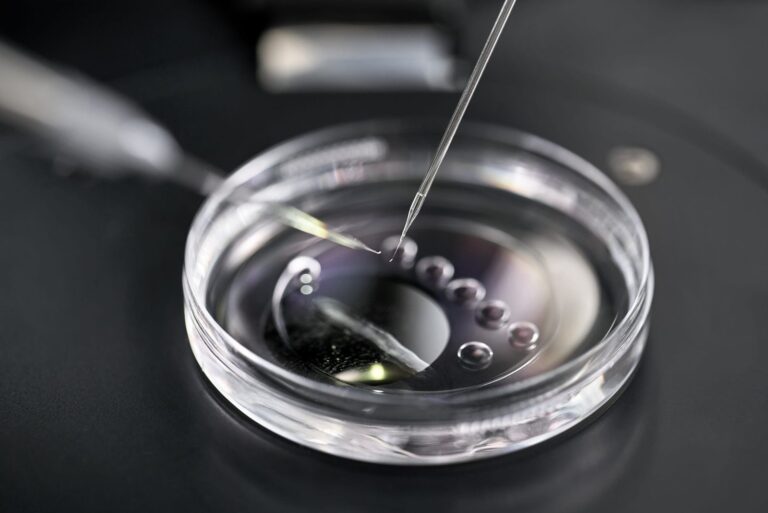


In vitro fertilization (IVF) is a fertility treatment that has helped countless couples around the world achieve their dreams of having a baby. As with any medical procedure, there are risks and considerations to be aware of before undergoing IVF. One of the most common questions asked by patients is: how much blood do you need for IVF? In this article, we will explore this topic in more detail, including the importance of blood for IVF, the amount of blood typically needed, and potential risks and complications.
Importance of Blood for IVF
Blood plays a critical role in the IVF process, both in terms of the patient and the donor. For the patient undergoing IVF, blood tests are often used to assess hormonal levels and ensure that the individual is in optimal health for the procedure. Additionally, blood may be required during the egg retrieval process or for anesthesia purposes during the IVF procedure.
For those using a donor in their IVF process, blood may also be required to assess the donor’s overall health and suitability for the procedure. Donors are typically subject to a thorough medical evaluation, which may include blood tests, to ensure that they are healthy and able to donate eggs or sperm.
Amount of Blood Typically Needed for IVF
The amount of blood needed for IVF can vary depending on the specific circumstances of the patient or donor. In general, however, the amount of blood required for IVF is relatively minimal.
During the initial consultation, your IVF specialist will discuss any blood tests or other medical evaluations that may be required before proceeding with the procedure. This may include a complete blood count (CBC), which can help identify any underlying medical conditions that may need to be addressed before the IVF process can begin.
In some cases, blood may be required during the actual IVF procedure itself. For example, anesthesia may be administered through an IV, which requires access to a vein and therefore may involve taking a small amount of blood. Additionally, blood may be required during the egg retrieval process to monitor the patient’s response to the medication and ensure that the procedure is progressing smoothly.
Here is the list of necessary blood tests a woman needs to undergo before entering the stimulation protocol and the test tubes in which they are stored.
- Blood type and rhesus factor – red 4ml test tube with coagulation activators to examine serum. These tests are valid for life, so if you have them on hand, you do not need to repeat them.
- Clinical general blood test – light lavender 3ml test tube with coagulation inhibitors EDTA to examine whole blood, and the number of different cell types, the test is valid for 3 months.
- Coagulogram to assess the hemostasis system, or just how your blood is clotting – a blue tube of 2.7 ml with sodium citrate (3 months). By the way, sodium citrate is a salt that is added to the donor blood, such blood will not coagulate and will remain as unchanged as possible, the citrate is then easily excreted by the kidneys of the person to whom the blood will be infused.
- Antibodies to HIV, hepatitis C and B, and syphilis – one red test tube (3 months)
- Antibodies to TORCH infections, infections that have a vertical transmission from mother to child during pregnancy; it’s generally a basic analysis when planning a pregnancy (toxoplasma, cytomegalovirus, herpes viruses 1 and 2, Epstein-Barr virus, rubella, sometimes advised to check and antibodies to chlamydia ) – yellow test tube 8.5 ml with coagulation activator and acrylic gel for centrifugation (6 months)
- Hormones: Antimullerian (AMH), prolactin, follicle-stimulating (FSH), luteinizing (LH), progesterone, estradiol, thyrotropin (TSH), triiodothyronine (T3), thyroxine (T4), antibodies to thyroglobulin and thyroperoxidase, antimicrosomal antibodies – 2 yellow test tubes. (6 months)
- Biochemical blood test, liver and kidney tests, total bilirubin, protein fractions – yellow tube (6 months)
- Glucose – 2 ml or 4 ml gray tube containing EDTA and sodium fluoride, which stops glucose cells from consuming glucose, and sometimes an additional level of insulin (yellow tube) is required to determine the HOMA index and test for insulin resistance. Taken on an empty stomach, valid for 6 months.
- And sometimes glycosylated hemoglobin for the same purpose – then a purple test tube with EDTA 4ml
- Optional for the first IVF is a karyotype – a green test tube with heparin. And optional molecular genetic testing for carriers of hereditary mutations – a purple test tube, these tests are valid for life.
It may be impossible to test all these indicators at once, because the level of FSH should be checked at the beginning of the menstrual cycle, during the first days. Some indicators should be checked after eating, some only on an empty stomach. Some tests will be added during the program, for example on the day of the puncture an additional test for progesterone may be prescribed. It is the doctor’s decision.
Well, I have counted 8 to 12 test tubes and the volume of blood of about 50 ml))) If a woman loses 50 ml of blood, she will not feel bad or lose consciousness, it is not much. But some people are afraid of blood and may feel unwell because of anxiety. Therefore, in the manipulation room, we have comfortable chairs for blood sampling, and nurses are friendly to make you as comfortable as possible!
For the first reproductive specialist’s consultation, it is good to have results of FSH and AMH levels, and a spermogram for men. All other tests will be prescribed by the doctor; you will be instructed on how and when they will be taken, but here you have an approximate list.
Risks and Complications
As with any medical procedure involving blood, there are potential risks and complications associated with IVF. These can include:
- Infection: Whenever blood is drawn or injected, there is a risk of infection. Your healthcare provider will take steps to minimize this risk, such as using sterile needles and equipment.
- Allergic reactions: Some patients may have an allergic reaction to the anesthesia or other medications used during the IVF procedure. It is important to discuss any allergies or sensitivities with your healthcare provider before the procedure.
- Hematoma: In rare cases, the insertion of the IV or other medical equipment can cause a hematoma or a collection of blood outside the blood vessels. This can lead to pain, swelling, and other complications.
- Bleeding: As with any medical procedure involving blood, there is a risk of bleeding. Your healthcare provider will monitor you closely during and after the procedure to ensure that bleeding is minimized.
IVMED Family: The Best Surrogacy Agency in Ukraine
If you are considering IVF or another fertility treatment, it is important to work with a reputable and experienced healthcare provider. IVMED Family is a leading surrogacy agency in Ukraine, offering a wide range of fertility treatments and services to help individuals and couples achieve their dreams of having a family. With a team of experienced IVF specialists and state-of-the-art facilities, IVMED Family is committed to providing patients with the highest quality care and support.
Conclusion
the amount of blood needed for IVF is relatively small, and the collection process is routine and straightforward. However, it plays a critical role in the success of the procedure and provides valuable information about the patient’s health and well-being. If you are considering fertility treatment or have any questions about the IVF process, it is essential to speak with a qualified healthcare professional or a reputable fertility agency like IVMED Family to ensure that you receive the best possible care and support.