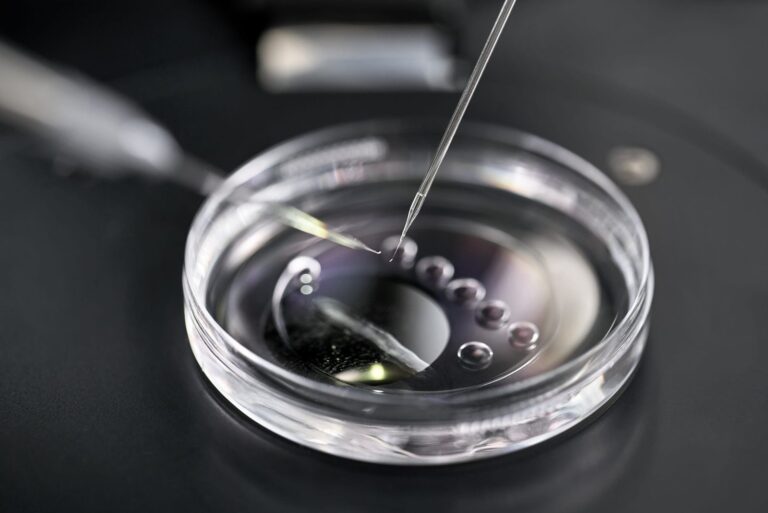



A fraternal twin develops when a woman releases two separate eggs during ovulation, and each is fertilized by a different sperm. Also known as dizygotic, these non-identical twins are essentially ordinary siblings who grow inside the uterus at the same time.
Because they share a single birth, people often confuse identical and fraternal siblings. However, their genetic backgrounds and development processes are completely unique. This article covers everything you need to know about how these twins form, their hidden differences, and key biological facts.
What Are Fraternal Twins?
To understand what are fraternal twins, it helps to look at the very beginning of conception. Fraternal twins develop from two entirely individual ova. This type of twin birth happens when a woman’s ovaries release more than one egg during a single menstrual cycle, and two distinct sperm fertilize them.
The scientific term for this phenomenon is dizygotic twins. The prefix “di” translates to two, while “zygote” refers to a fertilized egg. Because they originate from separate combinations of genetic material, fraternal twins are essentially regular biological siblings who happen to share a temporary home. They share approximately 50% of their DNA, meaning they are no more alike than siblings born years apart.
During pregnancy, each fraternal twin grows inside its own separate amniotic sac and relies on its own distinct placenta for nutrients. Sometimes, if the embryos implant very close to one another in the uterine wall, these two placentas can fuse together and look like a single unit on an ultrasound. Because they come from separate pairings, these twins can look totally different and be either the same sex or different sexes. In fact, boy-girl twins are always fraternal.
Fraternal vs Identical Twins: Key Differences
While both result in a multiple pregnancy, a close look at identical and fraternal twins reveals completely different biological foundations.
| Feature | Fraternal (Dizygotic) Twins | Identical (Monozygotic) Twins |
| Conception Process | Twins come from two separate eggs fertilized by two different sperm cells | A single fertilized egg splits into two separate embryos early in development |
| Genetic Similarity | Twins are genetically unique, sharing roughly 50% of their DNA, just like typical siblings | Twins share the same DNA completely, making them nearly 100% genetically identical |
| Sex Combination | Can be boy-boy, girl-girl, or boy-girl. Mixed-sex twins are always fraternal | Always the same sex (either both boys or both girls), with extremely rare exceptions |
| Appearance | Twins may look completely different, having unique hair, eye colors, and physical statures | They look strikingly similar, though identical twins have different fingerprints |
| Womb Environment | Twins have two individual amniotic sacs and two distinct placentas | They frequently share a single placenta, though they usually have separate amniotic sacs |
What Causes Fraternal Twins?
Every fraternal twin pregnancy is the direct result of a biological event called hyperovulation, which means a woman’s body releases two or more eggs during a single menstrual cycle. While this phenomenon can happen randomly, several specific factors increase the chance of a woman conceiving non-identical siblings.
The primary elements that increase the chance of fraternal multiple births include:
- Maternal Age: Women over the age of 35 are naturally more likely to release multiple eggs per cycle due to changing hormonal levels as they approach menopause.
- Family History: A maternal family history of fraternal twins significantly raises the odds; this genetic tendency for fraternal twinning is passed down through the female line, whereas twinning occurs randomly for identical pairs.
- Fertility Treatments: Procedures like IVF and ovulation-stimulating medications drastically boost the chance of having fraternal twins. Specifically, IVF treatments involving a multiple embryo transfer frequently lead to a twin birth.
- Previous Pregnancies: Women who have already carried and given birth to children in the past show a slightly higher statistical chance of fraternal twins in subsequent cycles.

Fraternal Twins Facts
Exploring fraternal twins facts reveals how unique this type of multiple pregnancy truly is. While both types of multiples are fascinating, non-identical siblings follow distinct biological patterns that set them apart from monozygotic pairs.
Here are the key scientific facts about fraternal or dizygotic twins:
- Most twins are fraternal: Out of all multiple pregnancies globally, twins are usually non-identical. Approximately 70% of all twin births fall into this category, making identical pairs significantly less common in nature.
- Boy-girl twins are always fraternal: Because identical and fraternal twins form through entirely different paths, mixed-sex pairs never share the same initial egg. Since they do not share identical sex chromosomes, a male-female set means the twins are fraternal.
- Fraternal twins can have different fathers: In extremely rare medical events known as superfecundation, two separate eggs are fertilized by different sperm from two distinct partners. This means the fraternal twins conceived during the same cycle can actually be half-siblings genetically.
- The twinning rate has increased significantly: Over the past few decades, twins and multiple births have become much more frequent worldwide. This global rise is largely driven by the growing utilization of modern fertility treatments and a general trend of women conceiving twins later in life.
- Fraternal twinning runs in families: The genetic odds of having fraternal twins are strongly tied to maternal hereditary factors. A woman who is a fraternal twin herself has roughly double the normal chance of fraternal twins when she decides to start a family, as the trait for hyperovulation twins run through the female lineage.
- Highest fraternal twin rate in the world: The frequency of giving birth to fraternal twins varies dramatically across different geographical regions and ethnic groups. The highest recorded rate on Earth is found in the town of Igbo-Ora, Nigeria, a phenomenon that scientists attribute to both genetic predispositions and local dietary factors.
Can Fraternal Twins Be Identical?
No, fraternal twins cannot be identical by definition. To answer what does fraternal twins mean, they must develop from two entirely different eggs fertilized by unique sperm cells, sharing only about 50% of their DNA.
However, fraternal twins look very similar sometimes, just like typical non-twin siblings do. Even if doctors notice a shared placental mass on an ultrasound, this is not definitive, as separate placentas can fuse together in the uterus. The only foolproof method to tell if twins are identical or fraternal is through a professional genetic zygosity test.
Fraternal Twins and IVF: What Intended Parents Should Know
In vitro fertilization is a primary reason why modern parents of twins are much more common today. When a woman is expecting twins after fertility treatments, it is usually because the medical team transferred more than one embryo to improve success rates. However, carrying twins or other multiples introduces greater medical risks than a singleton pregnancy, including a higher likelihood of premature birth and low birth weight. Because of these factors, modern specialists increasingly favor Single Embryo Transfer (SET) to help patients safely give birth to twins only when medically appropriate.
For those carefully planning their fertility journey, understanding the biological difference between identical and fraternal outcomes is an essential step. Whether you want to know what is a fraternal twin or explore comprehensive treatment safety, getting clear answers is vital. If you have specific questions about multiple pregnancy or need an IVF FAQ guide to help navigate embryo transfer strategies, the experienced IVmed team can help.
Explore comprehensive fertility answers at IVmed to ensure a safe, healthy path to parenthood.
FAQ
What does fraternal twins mean?
The literal fraternal twins meaning refers to siblings who develop simultaneously inside the uterus from two separate eggs fertilized by two different sperm cells. They are also called dizygotic twins and share about 50% of their genetic makeup, just like any standard brothers or sisters.
Are fraternal twins identical?
No, whether your twins are fraternal or identical depends entirely on how they were conceived. While identical twins share 100% of their DNA because a single egg split, fraternal twins result from two separate fertilizations. Therefore, they are not genetically identical and may not look identical at all.
Can fraternal twins be the same sex?
Yes, fraternal twins may or may not be the same sex. Because they come from two completely independent sperm and egg pairings, newborn twins can be two boys, two girls, or a boy and a girl. In fact, mixed-sex twins are also always fraternal.
What causes fraternal twins?
Hyperovulation is the biological event that causes twins of the fraternal type. This happens when a woman’s body releases multiple eggs in a single menstrual cycle, a trait that frequently runs on the maternal side of the family. Modern fertility treatments and advanced maternal age also significantly increase the likelihood that twins are born.
Do fraternal twins share a placenta?
Generally, unlike identical pairs, fraternal twins develop from two separate outer membranes and have individual placentas. However, if the embryos implant closely together, their placentas can fuse and look like one on early scans. A DNA zygosity test after birth is the only way to definitely confirm what fraternal twins are versus an identical pregnancy.
As these non-identical twins facts show, fraternal multiples are simply genetic siblings who shared a womb, explaining why they rarely look alike or match identically. Today, more of these twins may be born due to the widespread use of assisted reproductive technology worldwide.
If you have any further questions about how fraternal twins may occur during your own IVF journey, the specialist team at IVmed is always here to provide expert guidance.