


When discussing male reproductive health, the focus typically falls on low sperm counts, but there is an opposite, much less talked-about phenomenon that leaves many wondering: is hyperspermia real? While a large amount of semen is frequently mistaken for a sign of peak masculinity or superior male fertility, the reality behind this rare condition is far more complex.
To truly understand what is hyperspermia, one must look beyond the surface, as an unusually high semen volume can sometimes hide underlying health issues or even negatively affect fertility. This article provides a comprehensive insight into hyperspermia meaning, its hidden causes, and how this condition that causes an excessive volume of semen impacts a man’s reproductive future.
What Is Hyperspermia?
Hyperspermia is a condition characterized by an abnormally high ejaculate volume. To define hyperspermia clinically, medical experts establish a threshold where a man consistently produces more than 5.5 milliliters of fluid per ejaculation. If you wonder, “is hyperspermia a disease?” – the answer is no. It is not classified as a pathology, but rather a benign fluid variation. However, it is considered a clinical what is hyperspermia condition when it begins to affect fertility.
Many patients ask, “is hyperspermia real?” Yes, it is a clinically documented phenomenon, though hyperspermia is rare compared to its opposite (hypospermia).
The large volume of hyperspermia semen does not mean higher sperm production. Semen is mostly composed of seminal fluid, with less than 5% containing sperm from the testes. The rest is produced by reproductive glands; the seminal vesicles contribute about 70% of the fluid, while the prostate gland secretes around 25%. An overproduction in these areas explains why semen volume is high.
Hyperspermia and Hypospermia – What’s the Difference?
While both conditions involve variations in ejaculate volume, they sit on opposite ends of the reproductive spectrum. It is critical to note that both terms describe the overall amount of semen produced, not the actual sperm count. A man can have a large volume of fluid but a low sperm count, or vice versa. In clinical settings, hyperspermia is relatively much less common than its counterpart.
| Feature | Normal | Hyperspermia | Hypospermia |
| Volume Threshold | 1.5 ml to 5.5 ml | Greater than 5.5 ml | Less than 1.5 ml |
| Prevalence | Standard baseline | Exceptionally rare clinical variation | Hypospermia is much more frequent |
| Fertility Impact | Optimal baseline for fertilization | Hyperspermia may dilute the ejaculatory fluid, leading to fertility problems if sperm concentration drops | Can cause low fertility due to insufficient fluid to transport sperm through the cervix. |
Both conditions require a professional semen analysis to accurately assess how fluid volume and fertility parameters correlate.
How Common Is Hyperspermia?
When evaluating global prevalence data, peer-reviewed studies indicate that hyperspermia is a rare condition, affecting only about 3.5% to 6.8% of men. This statistic shows how common is hyperspermia among those undergoing routine health checks, yet the actual number of people with the condition might be slightly underreported.
Most men with hyperspermia remain entirely unaware of their status because an increased semen volume during ejaculation does not alter sexual performance or cause physical discomfort. Consequently, this unique trait typically goes unnoticed until a couple faces difficulties with conceiving, and a physician evaluates a semen sample during a standard diagnostic workup for male infertility.
What Causes Hyperspermia?
While the exact underlying cause of hyperspermia can vary from person to person, clinical research points to several biological factors and lifestyle habits that trigger this substantial increase in semen volume:
- Hormonal Fluctuations: Elevated levels of testosterone can overstimulate the accessory glands within the male reproductive system, accelerating fluid production.
- Overactive Secretory Glands: Hyperactivity or structural variations in the prostate or seminal vesicles can prompt them to secrete an excessive amount of fluid per ejaculation.
- Prolonged Sexual Abstinence: Extended periods of abstinence allow accessory gland fluids to accumulate, frequently causing a temporary hyperspermia that normalizes after regular hyperspermia sex patterns resume.
- Dietary Excess and Supplements: High-protein diets or the excessive consumption of specific nutrients can naturally increase sperm fluid manufacturing.
- Medication Side Effects: Certain prescription drugs, including specific fertility medications and erectile dysfunction treatments, can alter fluid dynamics in the reproductive system.
- Asymptomatic Infections: A low-grade, localized infection in the prostate can induce mild swelling that inadvertently triggers an overproduction of sperm volume fluids.
- Genetic Factors: Inherited genetic traits can predetermine the baseline size and output capacity of a man’s reproductive glands.
Lifestyle and Dietary Factors
A primary modifiable driver of increased semen volume is prolonged sexual abstinence, during which fluids naturally accumulate in the accessory glands. Additionally, lifestyle habits like high-protein diets or overusing supplements (such as zinc and vitamin C) can boost fluid production. These changes usually result in temporary hyperspermia, where the ejaculate volume easily normalizes once standard hyperspermia sex frequencies or baseline nutritional habits resume.
Medical Conditions Linked to Hyperspermia
When an increase in semen cannot be linked to dietary choices or abstinence, specific health issues are often the root causes of hyperspermia. Chronic, low-grade infection in the prostate or structural overactivity in the seminal vesicles can trigger hypersecretion. Furthermore, hormonal imbalances, such as abnormally elevated testosterone levels, can overstimulate the reproductive system. Identifying these medical hyperspermia causes is essential, as persistent gland inflammation requires professional evaluation to protect overall sperm health.

Symptoms of Hyperspermia
The main symptom of hyperspermia is a noticeably larger fluid output during ejaculation. For the vast majority of people with hyperspermia, this visual difference is the only indication of the condition, completely unaccompanied by pain, discomfort, or changes in physical performance.
However, when a man experiences extreme hyperspermia, or when the condition stems from an underlying medical issue, secondary symptoms of hyperspermia may emerge:
- Delayed Ejaculation: The sheer volume of fluid processing through the urethral tract can sometimes prolong the time it takes to reach a climax.
- High Sexual Drive: In cases linked to elevated hormonal levels, an intense libido may accompany the increased fluid output.
- Pelvic Discomfort: A dull ache or pressure in the pelvic region can occur if the fluid buildup causes inflammation or an infection.
- Changes in Semen Appearance: Alterations in hyperspermia amount, color (such as a yellowish or greenish tint), or an unusually watery consistency can indicate underlying issues.
Most of these signs are subtle and remain entirely unnoticed by men with hyperspermia until they begin trying to conceive a child or undergo a formal evaluation of their sperm parameters.
When to See a Doctor
In most cases, an increased volume of semen is simply a unique physical trait rather than a medical emergency. However, you should schedule an appointment with a fertility specialist or urologist if you notice any of the following warning signs:
- Conception Delays: You and your partner have been actively trying to conceive for over a year without success.
- Pain or Discomfort: You experience a dull ache, pressure, or burning sensation in the pelvic region during or after ejaculation.
- Visual Changes: The semen appears unusually thin and watery, or displays a noticeable yellow, green, or pinkish-red tint.
- Systemic Symptoms: The volume increase is accompanied by sudden hormonal shifts, low libido, or signs of an underlying prostate infection.
Does Hyperspermia Affect Fertility?
The connection between hyperspermia fertility and conception relies heavily on sperm concentration. When an excessive amount of fluid is produced during a hyperspermia ejaculation, it can cause a dilution effect, leaving less sperm than normal per milliliter of fluid. This reduction in density may affect fertility by making it harder for sperm to reach the egg.
So, is hyperspermia bad? It is generally harmless, provided the overall count of healthy sperm remains high. However, some peer-reviewed studies suggest an unconfirmed link where abnormal fluid parameters correlate with a higher risk of miscarriage, meaning a high hyperspermia amount warrants attention if conception fails.
When Hyperspermia Becomes a Fertility Problem
Clinicians note that hyperspermia requires medical attention under specific circumstances that can lead to fertility challenges. These include:
- A low sperm count or severe dilution confirmed by a specialized lab evaluation.
- Significantly reduced sperm motility, where sperm struggle to swim effectively through the large volume of seminal fluid.
- Ongoing difficulty conceiving a child after 12 months or more of regular, unprotected intercourse.
Advice for Couples. If a diagnostic semen analysis reveals a high fluid volume alongside a low sperm concentration, assisted reproductive technologies significantly improve conception outcomes. Depending on the severity of the parameters, solutions range from in vitro fertilization to comprehensive surrogacy programs that help intended parents navigate complex reproductive challenges successfully.

How Is Hyperspermia Diagnosed?
Uncovering a real hyperspermia condition requires a methodical medical approach, as looking at the fluid output alone cannot pinpoint how the volume might affect sperm health. If a couple is experiencing conception delays, a clinical evaluation provides an essential insight into male infertility.
While a primary evaluation often takes place when patients see a doctor at a local clinic, complex cases might require a deeper look into male infertility at a tertiary specialized fertility clinic. Clinicians follow a structured diagnostic path to understand exactly whats hyperspermia doing to a patient’s reproductive potential:
- Medical History Review: The specialist evaluates lifestyle habits, sexual activity patterns, medication use, and checks for past reproductive infections.
- Physical Examination: A thorough assessment of the reproductive organs helps detect underlying swelling or structural abnormalities.
- Semen Analysis: This is the primary and most accessible tool, measuring crucial sperm parameters like overall fluid volume, total count, motility, and morphology.
- Hormone Blood Tests: Evaluating specific markers like testosterone and Follicle-Stimulating Hormone (FSH) reveals whether a hormonal imbalance is driving the fluid overproduction.
- Imaging and Ultrasound: A transrectal ultrasound of the prostate gland and seminal vesicles is conducted if the specialist suspects structural blockages or overactivity in the secretory glands.
Treatment Options for Hyperspermia
The most important thing to know about hyperspermia is that if your overall sperm concentration is healthy and you are not facing conception delays, no medical intervention is required. However, when an excessive fluid volume reduces sperm density or causes discomfort, various treatment options are available.
Because every male reproductive system is unique, treatment for hyperspermia is always highly personalized, depending heavily on the specific root cause, the severity of any accompanying hyperspermia symptoms, the patient’s age, and their family planning goals. When clinical support is necessary to manage the condition and improve conception rates, specialists typically consider the following strategies:
- Hormone-Regulating Medications: If blood tests reveal an endocrine imbalance is driving the fluid overproduction, doctors may prescribe estrogen receptor blockers or selective medication like clomiphene citrate to balance testosterone effects.
- Assisted Reproduction: When a high fluid volume significantly dilutes sperm concentration, specialists can extract or concentrate a semen sample for use in IVF (in vitro fertilization) cycles or combine it with intracytoplasmic sperm injection (ICSI) to ensure successful fertilization. For couples navigating this path, reviewing an IVF treatment FAQ can provide valuable clarity on success rates and laboratory preparation steps.
- Targeted Lifestyle Adjustments: Modifying daily routines can naturally balance fluid levels. This includes adjusting ejaculation frequency to prevent fluid accumulation from long abstinence, balancing dietary intake, and immediately stopping any unprescribed testosterone supplements.
Ultimately, most cases of this rare condition are completely manageable. Consulting reproductive experts who rely on credible sources to ensure accurate diagnosis will help you find the right path forward for your reproductive health.
IVF and ICSI for Men with Hyperspermia
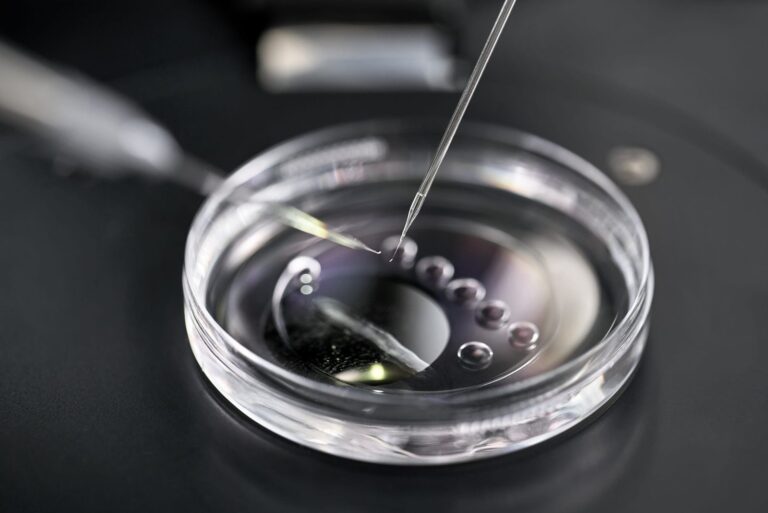
When an excessive fluid volume severely dilutes sperm concentration, standard conception methods can become difficult. To bypass this dilution issue entirely, specialists utilize advanced laboratory techniques to isolate healthy sperm cells from a semen sample. During a cycle of vitro fertilization, embryologists use intracytoplasmic sperm injection (ICSI) to select a single, structurally sound sperm and inject it directly into the egg, significantly improving the chances of fertilization.
This precise microinjection technique is highly effective whether using a partner’s eggs or performing the procedure within specialized egg donation programs, ensuring that even severely diluted semen samples can lead to successful embryo development. This targeted approach is highly effective for men with hyperspermia whose samples contain a low sperm concentration or reduced motility.
Because every patient’s reproductive profile is different, clinicians evaluate each case individually to craft the most effective pathway to parenthood. Couples facing fertility challenges related to hyperspermia can explore our comprehensive IVF and ICSI programs, alongside advanced options like egg donation programs, to find the perfect solution for their growing family.
Get Started Today! If you are ready to take the next step, you can book a free consultation at our clinic to understand your options, receive an expert assessment of your sperm parameters, and discover the right personalized strategy for your journey.
Frequently Asked Questions About Hyperspermia
Is hyperspermia real?
Yes, real hyperspermia is a clinically documented medical condition. While it may sound unusual, it is a recognized physiological variation where a man consistently produces an abnormally large volume of seminal fluid.
Is hyperspermia a disease?
No, it is not classified as a disease. Medical experts categorize it as a benign condition or a fluid variation. It does not damage your body and generally doesn’t require treatment unless a diagnostic semen analysis confirms that it is actively causing infertility.
Is hyperspermia common?
Clinical data shows that this condition is actually quite rare, affecting only an estimated 3.5% to 6.8% of men globally. Because an increased fluid volume doesn’t cause pain or affect sexual performance, the vast majority of cases go completely unnoticed unless a couple undergoes diagnostic fertility screening.
What is the difference between hyperspermia and hypospermia?
The core difference lies entirely in the fluid volume, not the overall sperm count. Hyperspermia is characterized by a high ejaculate volume exceeding 5.5 ml. Conversely, hypospermia refers to an abnormally low fluid volume falling below 1.5 ml per ejaculation.
Does hyperspermia affect fertility?
It can, but only indirectly through a mechanism known as sperm dilution. The elevated fluid output can cause a lower concentration of cells per milliliter, leaving less sperm than normal in a given sample. If the absolute number of healthy, motile sperm remains strong, it will not affect fertility.